Summer Electrical Safety Checklist for Homeowners in BC


Summer Electrical Safety Checklist BC Homeowners Should Review Before Peak Heat
Keep your home, patio, yard, and family safer this summer with a few simple electrical safety checks.
Summer in British Columbia means longer days, warmer evenings, outdoor entertaining, backyard projects, patio lights, portable fans, EV charging, power tools, BBQs, pools, hot tubs, and more demand on your home’s electrical system.
But with that seasonal convenience comes extra risk.
Outdoor outlets, extension cords, older panels, overloaded circuits, water exposure, and aging wiring can all become safety concerns during the summer months. For homeowners across Surrey, Vancouver, Burnaby, Langley, Richmond, Coquitlam, Delta, and the Lower Mainland, a simple summer electrical safety check can help prevent electrical shocks, fire hazards, equipment damage, and unexpected repair costs.
This summer electrical safety checklist will help you identify what to review around your home and when it is time to call a licensed electrical contractor in BC.
Why Summer Electrical Safety Matters in British Columbia
Many homeowners think of electrical safety only during renovations or when something stops working. However, summer brings unique electrical risks because more devices are used outdoors and more appliances run at the same time.
Common summer electrical demands include:
Portable air conditioners and fans
Outdoor lighting and patio string lights
BBQs and outdoor cooking appliances
Pool and hot tub equipment
Power tools for yard projects
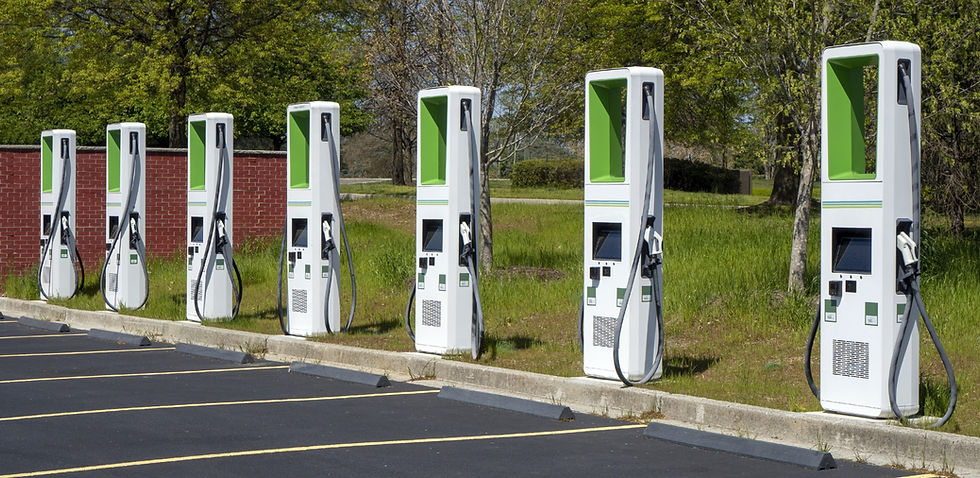
EV chargers
Irrigation systems and pumps
Entertainment systems, speakers, and projectors
Extension cords used for temporary outdoor setups
In BC, where summer weather can shift quickly from dry heat to rain, moisture and electricity can become a dangerous combination. That is why homeowners should inspect outdoor electrical areas before peak summer use.
1. Check Your Outdoor Outlets
Outdoor outlets are exposed to weather, moisture, dust, landscaping debris, and everyday wear. Before plugging in patio lights, power tools, speakers, or yard equipment, inspect every exterior outlet around your home.
What to check:
Is the outlet cover cracked, loose, or missing?
Does the outlet feel loose when you plug something in?
Are there burn marks, buzzing sounds, or heat around the outlet?
Is the outlet protected from rain and moisture?
Does the outlet have GFCI protection?
A GFCI, or Ground Fault Circuit Interrupter, helps reduce the risk of electric shock by shutting off power when it detects an imbalance in the electrical current. This is especially important for outdoor areas, garages, patios, decks, pools, and damp locations.
Homeowner tip:
Press the “test” and “reset” buttons on GFCI outlets to make sure they are working properly. If the outlet does not trip or reset correctly, it should be inspected by a licensed electrician.
2. Avoid Overloading Extension Cords
Extension cords are one of the most common summer electrical risks. They are often used for patio lights, outdoor speakers, tools, fans, and temporary setups. However, extension cords should not be treated like permanent wiring.
Extension cord safety checklist:
Use only cords rated for outdoor use.
Check for cracks, fraying, cuts, or exposed wires.
Never run cords through doors, windows, or under rugs.
Keep cords away from standing water and sprinklers.
Do not connect multiple extension cords together.
Do not overload cords with high-demand appliances.
Unplug cords when not in use.
If you rely on extension cords often in the same area, that is a sign your home may need additional outdoor outlets installed safely and properly.
When to call an electrician:
If your patio, garage, shed, or backyard frequently needs temporary cords, ask a licensed electrical contractor about installing dedicated outdoor receptacles.
3. Inspect Patio Lights and Outdoor Lighting
Patio lighting can make your outdoor space more enjoyable, but it should be installed and used safely.
Before using string lights, landscape lights, security lights, or deck lighting, check for damage and make sure the fixtures are rated for outdoor use.
Look for:
Frayed wires
Loose bulbs
Broken sockets
Water inside fixtures
Flickering lights
Rust or corrosion
Exposed wiring
Overloaded outlets
Outdoor lighting should be connected to weather-appropriate fixtures and properly protected circuits. If your lights flicker, trip breakers, or stop working after rain, do not ignore it. That can indicate a wiring issue, moisture intrusion, or an overloaded circuit.
4. Be Careful Around Pools, Hot Tubs, and Water Features
Water and electricity require extra caution. Pools, hot tubs, fountains, and irrigation systems all create wet environments where electrical safety is critical.
Summer water-area electrical checklist:
Keep electrical devices away from pools and hot tubs.
Do not use regular extension cords near wet areas.
Make sure nearby outlets have GFCI protection.
Inspect pool and hot tub equipment for visible damage.
Keep radios, speakers, and chargers away from water.
Never touch electrical devices while wet.
Have tripping breakers or faulty equipment checked immediately.
If you are installing a hot tub, swim spa, pond pump, or water feature, always work with a licensed electrical contractor. These installations often require proper wiring, bonding, grounding, load calculations, permits, and inspections.
5. Check Your Electrical Panel Before Heavy Summer Use
Summer can increase your home’s electrical load. Portable air conditioners, fans, kitchen appliances, outdoor equipment, EV charging, and entertainment systems may all be used more often at the same time.
Your electrical panel is responsible for distributing power safely throughout your home. If it is outdated, undersized, damaged, or overloaded, it may struggle to keep up.
Warning signs your panel needs inspection:
Breakers trip frequently
Lights dim when appliances turn on
The panel feels warm
You hear buzzing or crackling
There is rust or moisture near the panel
You still have an older fuse box
You use many power bars or extension cords
You are planning to add an EV charger, hot tub, AC unit, or major appliance
Do not ignore repeated breaker trips. A breaker is a safety device, and frequent tripping usually means something needs attention.
6. Use Portable Air Conditioners Safely
Many BC homes were not originally built with central air conditioning. As summer temperatures rise, more homeowners are using portable AC units, window units, and fans.
These devices can draw significant power, especially if they run for long periods.
AC safety tips:
Plug portable AC units directly into a wall outlet.
Avoid using extension cords or power bars for AC units.
Check the manufacturer’s electrical requirements.
Do not run multiple high-demand appliances on the same circuit.
Watch for warm outlets, flickering lights, or tripped breakers.
Keep cords visible and away from rugs or furniture.
If your breaker trips every time the AC runs, do not simply reset it repeatedly. Have the circuit evaluated by a licensed electrician.
7. Inspect Garage and Workshop Power Use
Summer is project season. Many homeowners use garages, sheds, and workshops more often for tools, repairs, landscaping, woodworking, and home improvement projects.
Garage electrical checklist:
Inspect outlets before using power tools.
Use GFCI-protected outlets in garage or damp areas.
Check extension cords before every use.
Do not use damaged tools or cords.
Avoid using electrical tools in wet conditions.
Store cords and tools in a dry place.
Make sure lighting is adequate for safe work.
If you are adding a workshop, freezer, EV charger, compressor, or heavy equipment to your garage, your existing circuits may not be enough.
8. Make Sure Electrical Products Are Certified for Canada
When buying extension cords, patio lights, power bars, chargers, outdoor fixtures, or smart home devices, look for recognized Canadian certification marks.
Electrical products sold for use in Canada should be certified by an accredited certification body. Common marks include CSA, cUL, and cETL.
Avoid:
Cheap uncertified products from unknown sellers
Indoor-only products used outdoors
Damaged second-hand electrical devices
Power bars without safety markings
Outdoor lighting without weather-rated labeling
A lower upfront price is not worth the risk of overheating, electrical shock, or fire.
9. Know When You Need a Permit in BC
Some electrical work in British Columbia requires a permit. Depending on the type of work, homeowners may need to apply for a homeowner electrical permit or hire a licensed contractor who can complete the work safely and according to code requirements.
Electrical work that may require professional support includes:
New circuits
Panel upgrades
EV charger installation
Hot tub wiring
Outdoor outlet installation
Major renovations
Basement wiring
Garage or workshop wiring
Service upgrades
Troubleshooting repeated breaker trips
Permits and inspections exist to help confirm that electrical work is completed safely. When in doubt, check with Technical Safety BC or speak with a licensed electrical contractor.
10. Create a Summer Electrical Safety Walkthrough
Before hosting, renovating, or relying heavily on outdoor power, take 20 minutes to walk around your home.
Quick homeowner checklist:
Outdoor Areas
Check exterior outlets.
Test GFCI outlets.
Inspect extension cords.
Confirm patio lights are outdoor-rated.
Keep cords away from water.
Look for damaged fixtures.
Garage and Workshop
Inspect cords and tools.
Avoid wet conditions.
Use GFCI protection.
Do not overload outlets.
Store tools in a dry area.
Electrical Panel
Look for rust, heat, or buzzing.
Note any frequently tripping breakers.
Avoid blocking access to the panel.
Call an electrician if anything seems unusual.
Cooling Equipment
Plug AC units directly into wall outlets.
Avoid power bars for high-demand appliances.
Watch for dimming lights or warm outlets.
Pools, Hot Tubs, and Water Features
Keep electronics away from water.
Use proper GFCI protection.
Do not use damaged cords.
Hire a professional for new installations.
When Should You Call a Licensed Electrician?
Call a licensed electrical contractor if you notice any of the following:
Frequent breaker trips
Burning smells
Buzzing sounds
Warm outlets or switches
Flickering lights
Loose outlets
Outdoor outlets without proper covers
Damaged wiring
Moisture near electrical components
Electrical shocks or tingling sensations
Outlets that stop working after rain
Plans to install an EV charger, hot tub, AC unit, or outdoor power supply
Electrical issues rarely fix themselves. Small warning signs can point to larger safety concerns behind the walls, inside the panel, or at the circuit level.
Summer Electrical Safety in Surrey and the Lower Mainland
Homes across Surrey and the Lower Mainland vary widely in age, electrical capacity, renovation history, and outdoor setup. Some homes have modern panels and GFCI-protected outdoor outlets. Others may still rely on older wiring, limited circuits, or temporary extension cord solutions.
If your home has been renovated, expanded, or updated over time, it is worth confirming that your electrical system still supports your current lifestyle safely.
Whether you are preparing for summer gatherings, adding outdoor lighting, installing an EV charger, upgrading your panel, wiring a hot tub, or troubleshooting outdoor outlets, a professional inspection can help prevent bigger problems later.
Book a Summer Electrical Safety Inspection
Eelun Power Systems provides residential electrical services for homeowners in Surrey, Vancouver, Burnaby, Richmond, Langley, Delta, Coquitlam, and surrounding Lower Mainland communities.
Our team can help with:
Outdoor outlet inspections
GFCI troubleshooting
Electrical panel checks
EV charger installations
Hot tub and outdoor equipment wiring
Lighting upgrades
Circuit troubleshooting
Safety repairs
Residential electrical inspections
Code-compliant electrical work
Before summer electrical demand peaks, make sure your home is ready.
Contact Eelun Power Systems to schedule a residential electrical inspection or speak with a licensed electrical professional about your home’s electrical needs.
FAQs About Summer Electrical Safety in BC
Do outdoor outlets need GFCI protection in BC?
Outdoor outlets and electrical equipment used in wet or damp locations should have proper ground fault protection. GFCI protection helps reduce the risk of electrical shock, especially around patios, garages, pools, hot tubs, and outdoor work areas
Can I use an extension cord outside during summer?
Yes, but only if the cord is rated for outdoor use and is in good condition. Extension cords should be temporary, kept away from water, and never overloaded. If you use extension cords often, consider installing additional outdoor outlets.
Is it safe to plug a portable air conditioner into a power bar?
No. Portable air conditioners should usually be plugged directly into a wall outlet. Power bars and extension cords may not be designed for the electrical load of an AC unit and can overheat.
Why does my breaker trip when I use outdoor equipment?
A tripping breaker can mean the circuit is overloaded, the equipment is faulty, moisture is present, or there is another electrical issue. If it happens repeatedly, have the circuit inspected by a licensed electrician.
Do I need a permit to install an EV charger or hot tub in BC?
Electrical installations such as EV chargers, hot tubs, new circuits, and panel upgrades often require permits and professional installation. Homeowners should check with Technical Safety BC or work with a licensed electrical contractor.
How often should homeowners inspect outdoor electrical areas?
Homeowners should check outdoor outlets, cords, lighting, and GFCI protection at least once before heavy summer use and again after major storms, renovations, or equipment changes.
Who provides residential electrical inspections in Surrey, BC?
Eelun Power Systems provides residential electrical services and safety inspections for homeowners in Surrey and surrounding Lower Mainland communities.